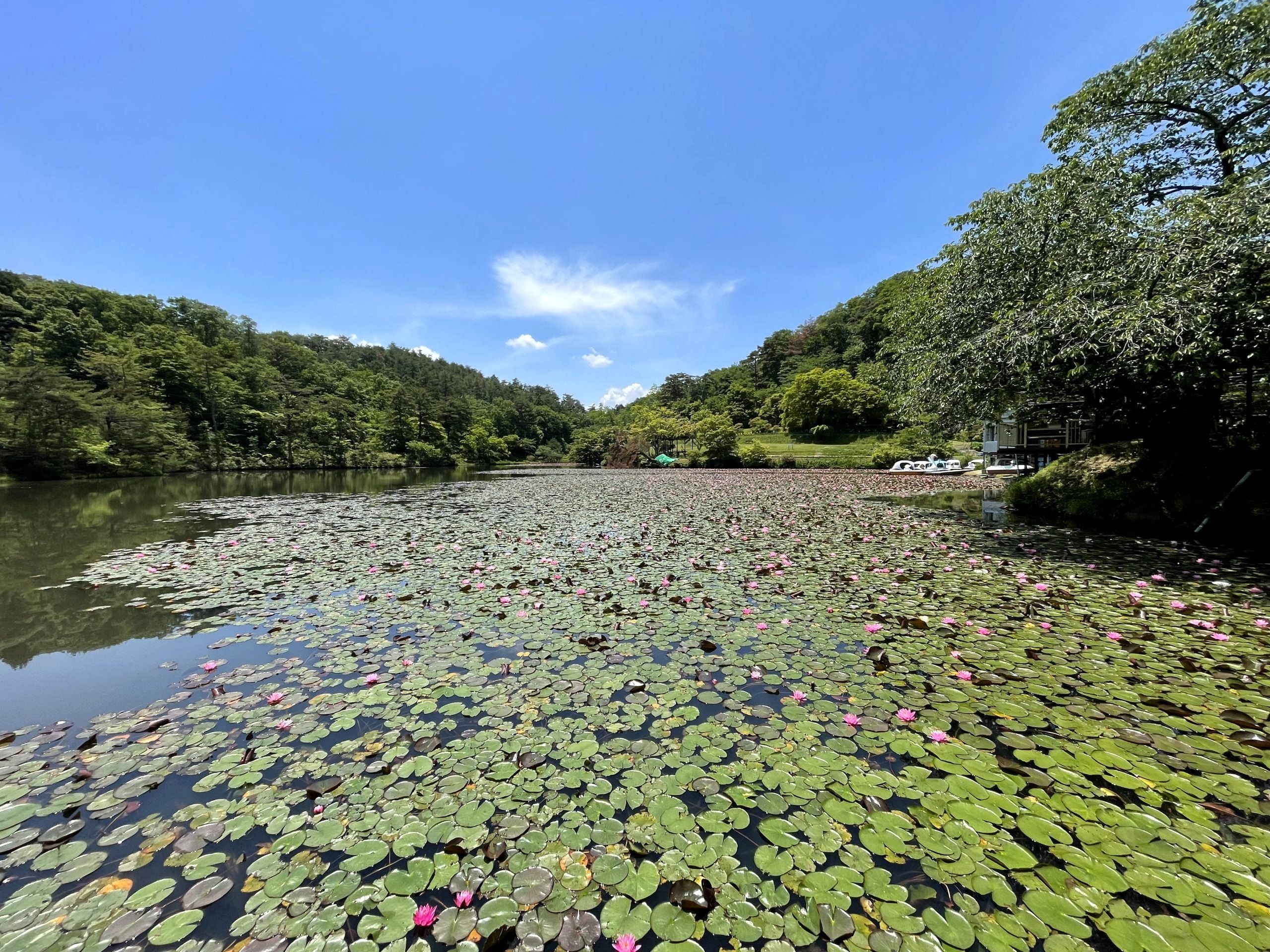
Visitor Guide
Ja no Hana Gardens, a Park of Flowers and History
Flowers in all four seasons and a Meiji-era mansion in Motomiya, Fukushima
About Ja no Hana Gardens
This park was created in the Meiji Period by Ito Wataru, a local politician. He was a wealthy landowner with about 1,000 hectares of farmland and this park alone covers 33 hectares. The park has been famous for its beautiful flowers since long ago, and is now a tourist park where flowers can be enjoyed in all four seasons. A former residence of the Ito family, which was built as a holiday villa and is today called Janohana-goten (Janohana Mansion), is also located inside the park, where it is preserved as a valuable building that continues to convey the glory of times past.
Admission
| Address | 38 Motomiya Janohana, Motomiya City, Fukushima 969-1158 |
|---|---|
| Telephone | +81-243-34-2036 (0243-34-2036) |
| Adult (high school students and older) | 1,000 yen |
| Child (elementary school students) | 500 yen |
Includes admission to Janohana-goten. You may re-enter as many times as you like on the day of your visit.
Group rates, visiting with pets and other details (Japanese)
Opening Hours
| Apr 1 – Oct 25 | 9:00–17:00 (last entry 16:30) |
|---|---|
| Oct 26 – Nov 30 | 9:00–16:30 (last entry 16:00) |
| Dec 1 – Mar 31 | 10:00–15:00 (last entry 14:30) |
Closed from Dec 28 to Jan 6.
In winter, the park may close temporarily due to weather.
Access
By car
About 8 minutes from Motomiya IC on the Tohoku Expressway
About 3 hours from Tokyo / about 1 hour 20 minutes from Sendai
By train
Tokyo Sta. ⇒ Koriyama Sta. (Tohoku Shinkansen) ⇒ Motomiya Sta. (Tohoku Line), about 1 hour 30 minutes from Tokyo
Sendai Sta. ⇒ Fukushima Sta. (Tohoku Shinkansen) ⇒ Motomiya Sta. (Tohoku Line)
From Motomiya Sta., the Motomiya One-Coin Taxi (500 yen) is available.
By plane
Fukushima Airport ⇒ Janohana: about 1 hour by car via Motomiya IC
Sendai Airport ⇒ Janohana: about 1 hour 50 minutes by car via the Tohoku Expressway
Flowers in the Park
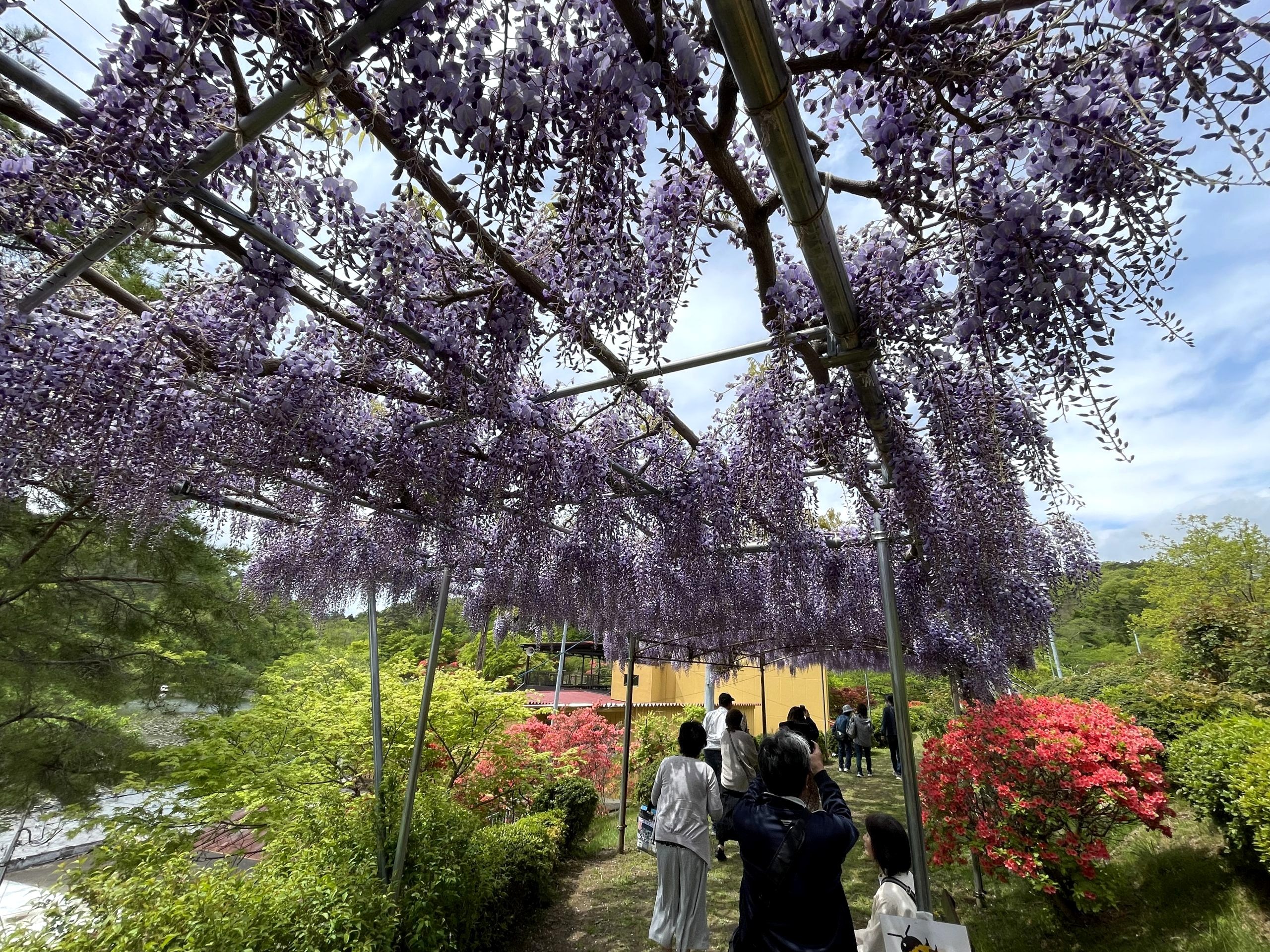
Japanese Wisteria
There are wisteria trellises and a wisteria garden. The great trellis is covered by eight wisteria trees aged 300 to 400 years, with purple, pink and white blossoms. The best time for viewing is early to late May.
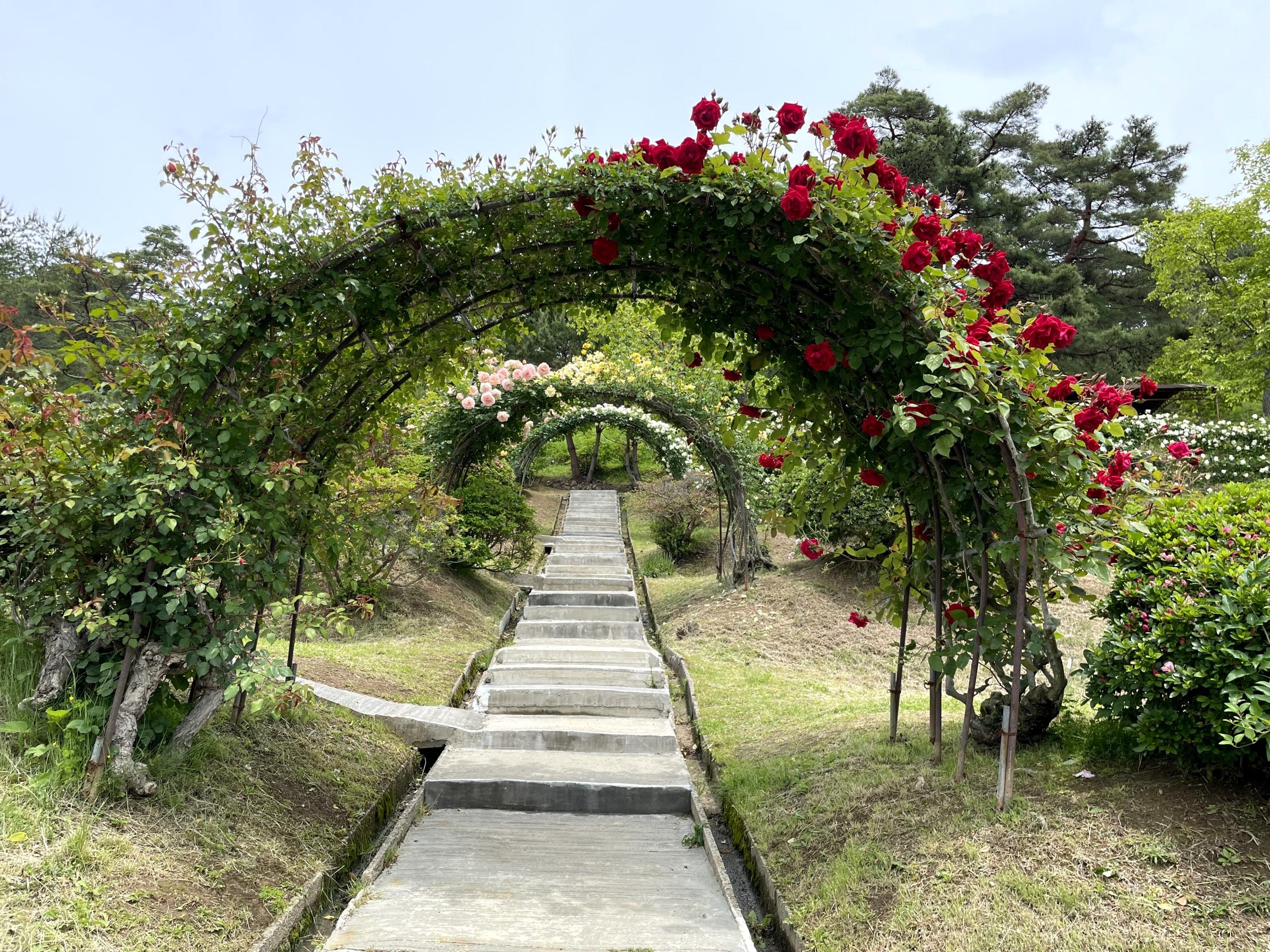
Roses
Approximately 400 roses reach their peak in late May, and you can enjoy different roses every 2 months until mid-October.
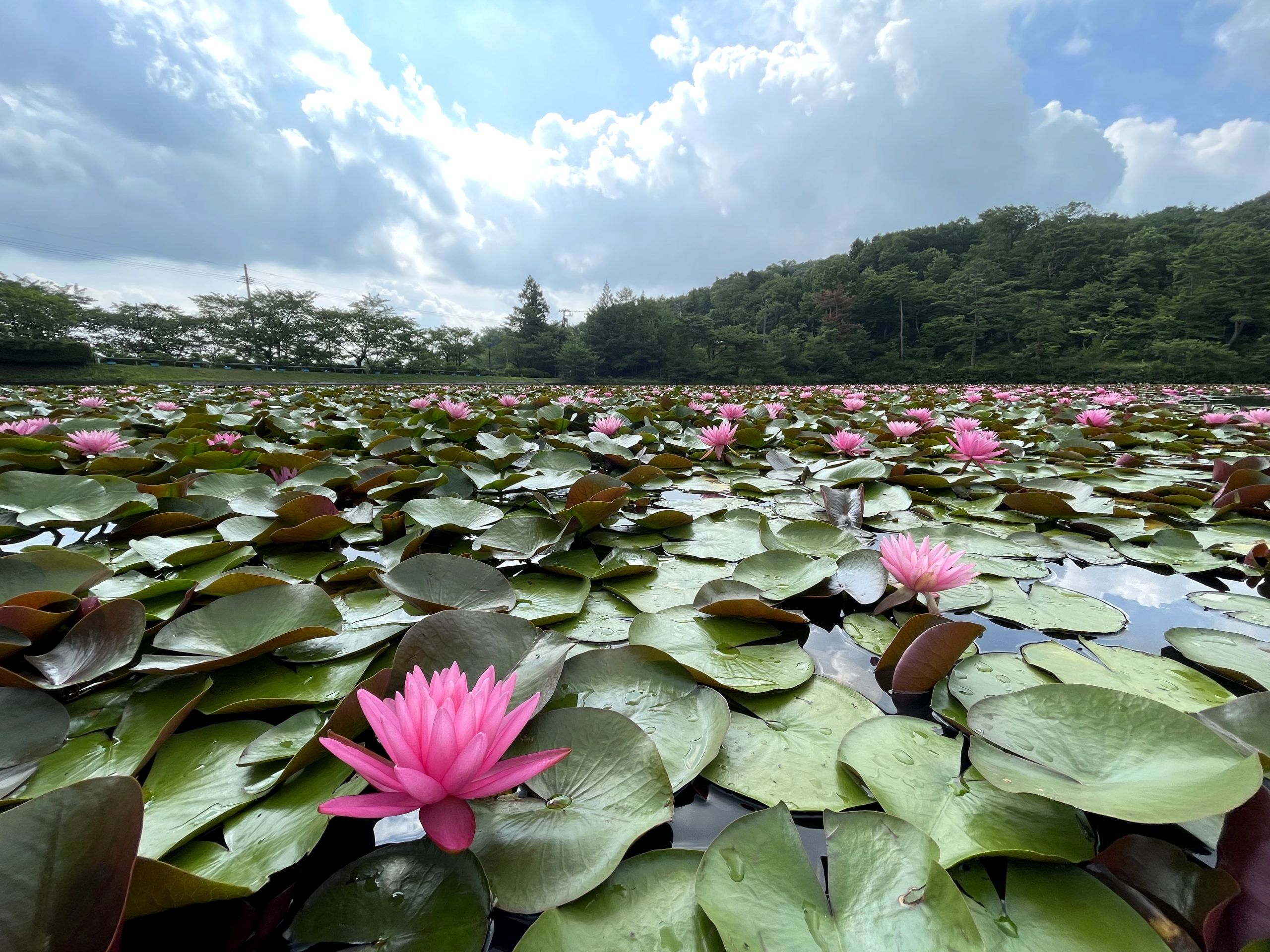
Water Lilies
You can view water lilies at the lake located in the middle of the park. Approximately 10,000 flowers bloom at the peak. You can also view rare yellow and orange water lilies. The best time for viewing is June to July.
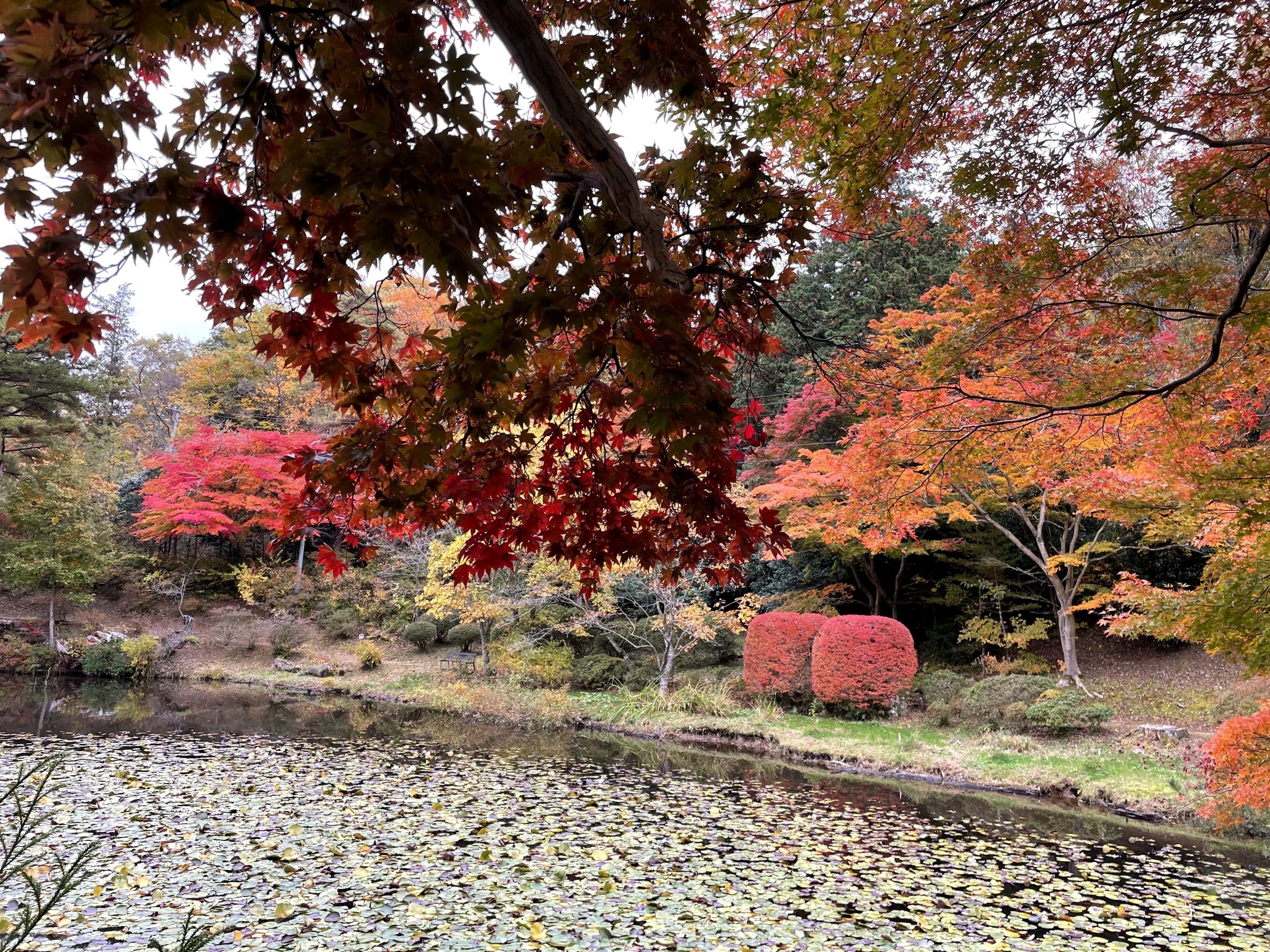
Colored Leaves of Fall
There are approximately 500 maple trees that are over 100 years old, and some have trunks with circumferences of more than 2 meters. They start changing color gradually from late October and reach their peak in November. When the trees change color brightly, the scenery makes you feel like you are in Kyoto.
- Cherry Blossoms
- The best time for viewing is early to late April.
- Tulips
- Tulips decorating the flowerbeds in spring. The best time for viewing is late April to early May.
- Tree Peonies
- The best time for viewing is early to mid-May.
- Azaleas
- The best time for viewing is early to mid-May.
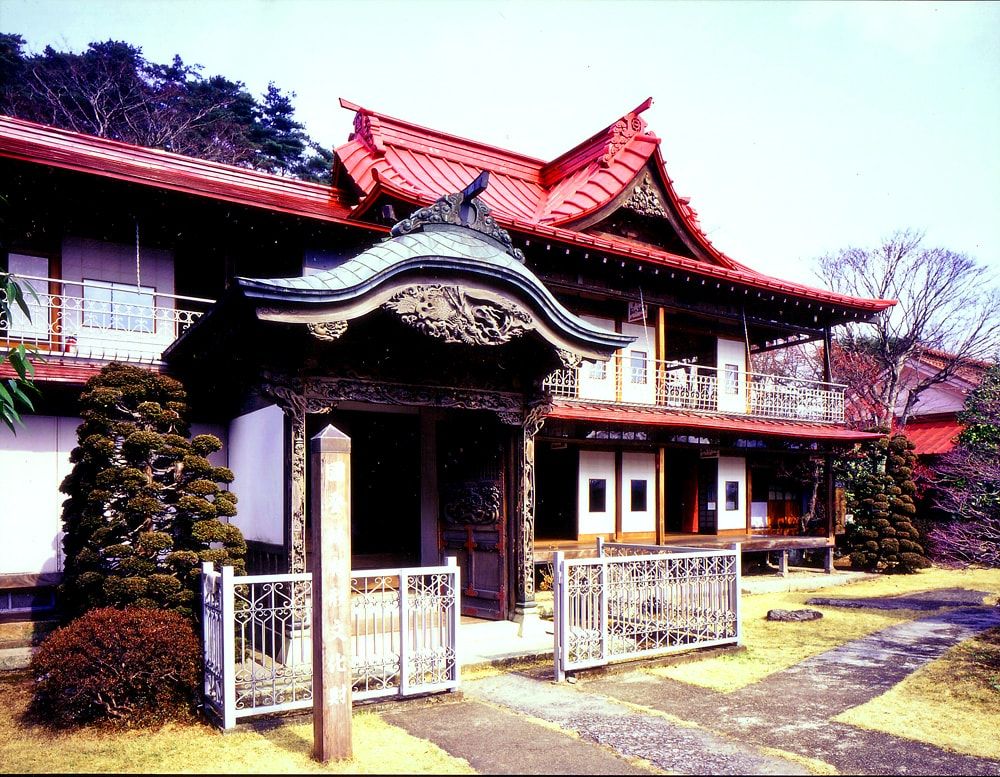
Janohana-goten (Janohana Mansion), a Registered Tangible Cultural Property of Japan
This building was built in 1904 as a holiday villa of Ito Wataru, a politician of this town, and took approximately 8 years to complete. The detailed carvings that decorate the front entrance are said to have been made by referencing the carvings of the Nikko Toshogu Shrine. You can see the famous Nemurineko (Sleeping Cat) carving here too. One of the features of this building is the numerous rare wood materials used in its construction. Another feature is the paintings by famous artists and calligraphy works by people of note in history, such as the fusumae (picture painted on a sliding paper door) decorating each room. It is said that it would be impossible to reconstruct the same building today. In 1996, the building was registered as a tangible cultural property of Japan under the Cultural Assets Preservation Act as a valuable building that should be passed on to the next generation.
The Six Rooms
The 1st Room, Sagi-no-ma (Heron Room)
In this room with its name derived from Ashi-ni-goisagi-no-zu (picture of night herons and reeds) drawn by Kikuta Ishu, who was a purveying painter to the Date family, you can see a calligraphy work written by Ito Hirofumi who served as Japan’s first prime minister.
The 2nd Room, Shika-no-ma (Deer Room)
In this room where fusuma (sliding paper doors) are decorated with Shika-keiryu-ni-asobu-no-zu (picture of deer playing in a mountain stream) drawn by Azuma Toyo, you can see a calligraphy work by Duke Sanjo Sanetomi and a tokobashira (alcove post) made using a fragrant wood called sandalwood.
The 3rd Room, Roushou-no-ma (Old Pine Room)
The name of this room is derived from Roushou-no-zu (drawing of old pines) drawn by Hida Shuzan, a painter of the Kano school. You can also see a calligraphy work written by Kido Takayoshi, one of the key persons of the Meiji Restoration.
The 4th Room, Chidori-no-ma (Plover Room)
Iso-ni-chidori-no-zu (picture of plovers by the seashore) drawn by Katsuta Shokin who is said to have drawn the picture of plovers in the former Imperial Palace.
The 5th Room, Kurokaki-no-ma (Japanese Persimmon Room)
This room was lavishly made using rare materials, including the stairs made using kurokaki (Japanese persimmon with black stripes).
The 6th Room, Ume-no-ma (Japanese Plum Room)
The four drawings called Shiki-no-ume (Japanese plum of four seasons) painted on the fusuma are works by Sugai Baikan, a well-known artist from Sendai. A section of vine from a crimson glory vine said to be several hundred years old is used as the otoshigake (lintel) of the tokonoma (alcove).
Eating and Drinking
The park has a restaurant called the Janohana Teahouse that serves light meals.
Menu
- Noodles (ramen, soba, udon, and others)
- Janohana’s specialty miso oden
- Soft-serve ice cream
- Alcoholic and non-alcoholic beverages
The Teahouse is closed in August, September and from December to March. During these periods, soft-serve ice cream, shaved ice, coffee and other refreshments are sold at the rest house shop.
Popular with Group Visitors Too!
We also serve a coffee and Japanese sweets set. Why don’t you try it for teatime when you visit the park?
*Can be served to group visitors by making a reservation in advance. Please contact us.
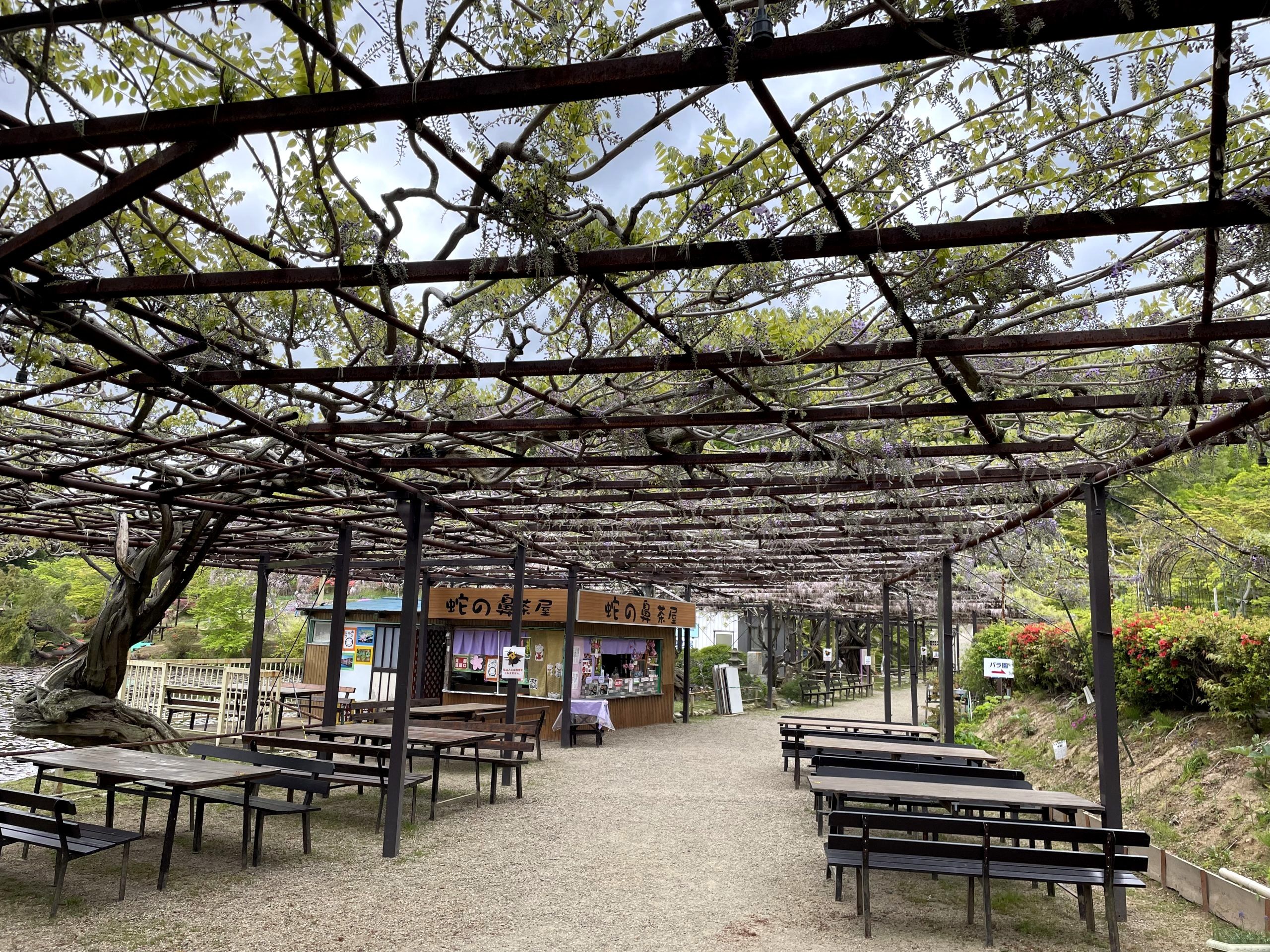
Barbecue
From April to September, you can enjoy a barbecue in the park while viewing the flowers. You can bring your own food, but if you wish to enjoy a carefree barbecue, we offer reasonable barbecue food sets. If you wish to use these facilities, you need to make a reservation in advance. We also have a roofed area that can be used even when raining. For more information, please ask when making a reservation.
Gift Shop
- Handkerchiefs featuring designs of the park’s flowers
- Pressed flower accessories made using the park’s flowers
- Famous Janohana sweet Shiro Miso Manju (sweet buns made using white miso)
- Serpentine charms
Other pages of this website are in Japanese. Most browsers can translate them automatically: in Chrome or Edge, choose “Translate” in the address bar or from the right-click menu; in Safari, use the translate button in the address bar.